
The allure of casino environments
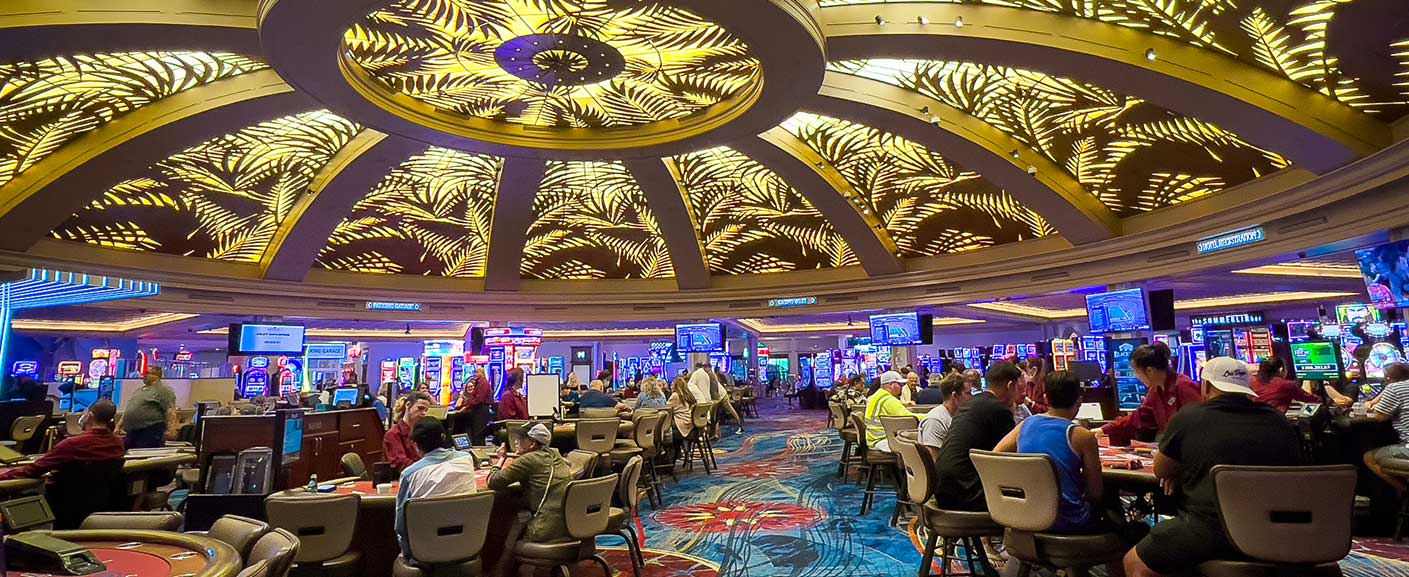
The design of a casino is no accident; every element is meticulously crafted to create an engaging atmosphere that entices players to stay longer and play more. The vibrant colors, captivating lights, and rhythmic sounds of slot machines are strategically implemented to evoke a sense of excitement and urgency. This sensory stimulation plays a crucial role in drawing players into a world where the potential for rewards feels omnipresent, often overshadowing the reality of the odds involved, especially when considering the best canada online casinos available today.
Furthermore, the layout of casinos is designed to disorient players and encourage exploration. With no clocks and carefully placed amenities, time seems to stand still, allowing individuals to lose track of their duration of play. This manipulation of time perception can lead to longer gaming sessions, as players become fully immersed in the casino experience, often ignoring their initial budgets and personal limits in pursuit of the next big win.
The psychology of risk and reward
At the heart of casino games lies the complex interplay between risk and reward, a dynamic that profoundly affects player behavior. The thrill of potentially winning substantial sums of money can be intoxicating, driving individuals to take risks they might otherwise avoid in daily life. This phenomenon, known as the “gambling thrill,” can activate the brain’s reward pathways, releasing dopamine and creating feelings of pleasure and excitement, which reinforces the desire to play even in the face of losses.
Moreover, occasional wins—often termed “near-misses”—can significantly influence a player’s continued engagement. These experiences can create a false sense of control and an illusion of impending success, prompting individuals to increase their betting in hopes of achieving that elusive jackpot. Such psychological triggers are why many players can experience difficulty recognizing the regularity of loss despite fleeting moments of success.
Cognitive biases in player decision-making
Casino games often exploit cognitive biases that shape how players perceive their chances of winning. One of the most notable is the illusion of control, where individuals believe they can influence outcomes through skill or strategies, particularly in games like poker or blackjack. This belief can lead players to make irrational decisions, as they may convince themselves they are on the verge of a winning streak, despite the house edge being consistently against them.
Additionally, the gambler’s fallacy plays a role in player choices as well. This bias leads individuals to think that past results can influence future outcomes in random events, such as roulette spins or slot machine pulls. If a player has witnessed several losses, they may believe a win is “due,” potentially leading them to escalate their betting in hopes of compensating for previous losses, reinforcing the cycle of gambling behavior.
The role of community and social interaction
Casinos often serve as social hubs where individuals can interact and share experiences, which can significantly impact player behavior. The communal aspect of gambling—whether through group games like poker or the shared excitement during slot machine play—can enhance the enjoyment of gaming. This social interaction can lead to increased participation, as players find motivation and encouragement from those around them, sometimes leading to prolonged gaming sessions.
Furthermore, the appeal of competition can heighten the psychological engagement in casino games. Players often engage in friendly rivalries, which can stimulate the thrill of competition and elevate the enjoyment of the experience. While this can enhance social connections, it may also push players to take risks they typically would not, driven by the desire to outperform others in the gaming environment.
Conclusion: Navigating the casino landscape
Understanding the psychological factors that influence player behavior is essential for both casinos and players alike. For casinos, this knowledge can be used to create environments that maximize engagement and profitability, while for players, awareness of these psychological triggers can lead to more informed and responsible gambling practices. The interplay of excitement, cognitive biases, and social dynamics plays a significant role in the casino experience and can lead to both enjoyment and challenges in managing gambling behavior.
This website offers valuable resources designed to aid players in navigating the complexities of the casino landscape. By providing insights into player behavior and the psychological aspects of gaming, the platform fosters a responsible gambling environment, ensuring that individuals can enjoy the thrill of casino games while remaining mindful of their limits and choices.